






Botswana keeps its investment-grade rating, but diamonds continue to cast a shadow

For decades, Botswana’s diamonds have done something rare in the global economy: They turned a landlocked desert nation into one of Africa’s most stable and prosperous countries. Now the stones that financed that success are becoming the reason investors are uneasy. S&P Global Ratings affirmed Botswana’s long-term sovereign rating at BBB- and its short-term rating at A-3, preserving the country’s investment-grade status. But the agency kept the outlook negative, a warning that the rating could...

Pula’s stability requires more than Monetary Policy, says Gaolathe

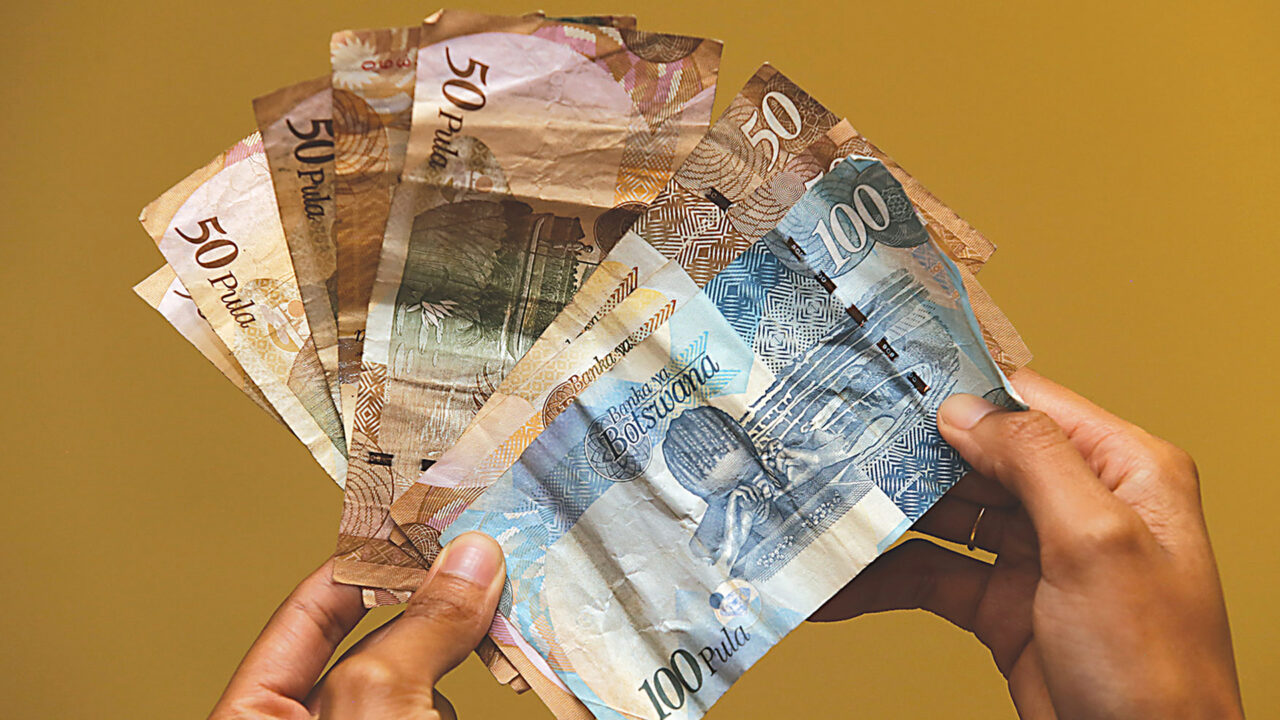
Botswana’s extended slump in the diamond market is exposing vulnerabilities in the country’s economic model, as weakening global demand weighs on export revenues and foreign exchange reserves. This situation has highlighted the limitations of relying solely on monetary policy to shield the Pula from external shocks. Vice President and Finance Minister Ndaba Gaolathe cautioned that Botswana cannot indefinitely defend the Pula through monetary measures while its economy remains heavily reliant on diamonds. Speaking during the...

BIUST Student Innovators Pitch the Future

15 Students Set Out to Build Something New At a fellowship backed by MIT and the Botswana government, young entrepreneurs are turning laboratory research into ventures – and testing whether a small nation can build its way out of dependency on a single commodity. On a Wednesday evening, inside the sleek auditorium of the Botswana Digital & Innovation Hub in Gaborone, 15 university students stood before a room of cabinet ministers, academics, and investors and...

Pula’s stability requires more than Monetary Policy, says Gaolathe   

Botswana’s extended slump in the diamond market is exposing vulnerabilities in the country’s economic model, as weakening global demand weighs on export revenues and foreign exchange reserves. This situation has highlighted the limitations of relying solely on monetary policy to shield the Pula from external shocks. Vice President and Finance Minister Ndaba Gaolathe cautioned that Botswana cannot indefinitely defend the Pula through monetary measures while its economy remains heavily reliant on diamonds. Speaking during the...

BETP shifts focus from planning to delivery

Botswana’s drive to diversify its economy is beginning to yield concrete results, with the Botswana Economic Transformation Programme (BETP) in its first six months prioritising the removal of obstacles that have stalled investment projects between approval and execution. The BETP Mid-Year Review, presented by Naledi Madala, Senior Policy Adviser at the Ministry of Finance and BETP Secretariat, reveals a marked change in government strategy. The focus has shifted from project conception to addressing practical challenges...

FNBB projects profit surge of up to P235 Million

First National Bank Botswana (FNBB) anticipates a substantial increase in its profit before tax for the financial year ending June 30, 2026, with gains expected to reach as much as P235 million. This growth would push the bank’s annual earnings past the P2 billion threshold for the first time. In a notice to shareholders, FNBB projected a profit before tax increase of between 10 and 15 percent, translating to an estimated rise of P200 million...

The Fall of Salakae

Only weeks ago, Noah Salakae sat at the polished tables of Botswana’s Cabinet, entrusted with one of the government’s most consequential portfolios: Transport and Infrastructure. Today, the former minister is preparing to stand before a magistrate court on corruption charges, his political career hanging by a thread and his party wrestling with the implications of a scandal that reaches into its own ranks. Salakae is scheduled to appear in court on Aug. 28, following an...

P97.3M forensic audit moves from report to action

The most expensive and expansive forensic audit in Botswana’s history has produced 686 recommendations, implicated more than 80 current and former senior officials, and identified over 150 contractors and suppliers potentially tied to the misuse of public funds. The total cost: 97.3 million pula, roughly 37 million pula more than originally budgeted.